




News
Process of transporting precast concrete components – HRC Vietnam
Precast concrete components are gradually gaining popularity in recent years, because the product helps to reduce costs significantly in construction works. So, how to transport precast concrete components to the construction site quickly and efficiently without cracking or breaking? Let's take a look at HRC Vietnam through the article below!
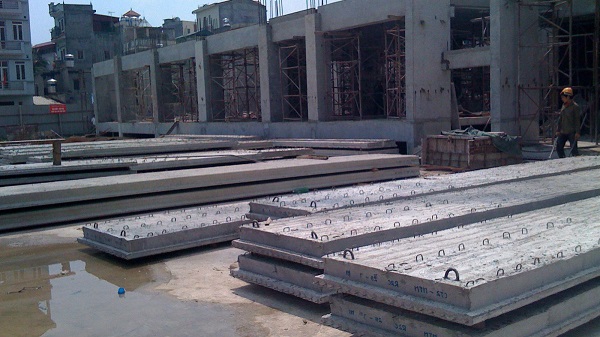
How to transport precast concrete components?
Requirements in transportation of precast concrete components
Firstly, the position and layout of the component does not cause the opposite pressure to the design pressure as well as other damages. When transporting, the wall panel must be placed in an upright position or slightly tilted position, the set, beams, beams should be placed according to the height of the section and other components must be placed in a horizontal position.
In addition, when transporting prefabricated concrete components with lightweight types it is necessary to ensure moisture resistance. When arranging the components on the vehicle, it is necessary to pay attention to the transport size of the vehicle when entering the construction site and arrange the construction ground so that the vehicle can approach the construction site within the working range of the crane, to eliminate the intermediate loading and unloading stage.
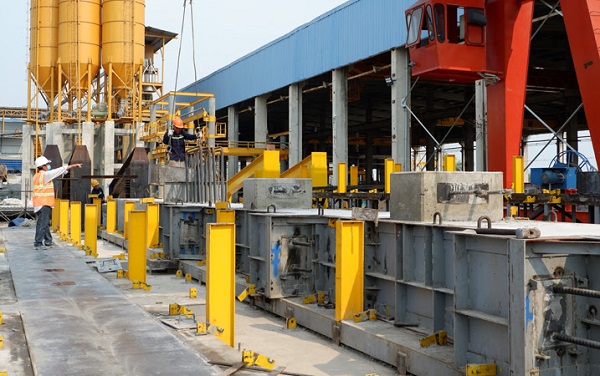
What are the requirements when transporting precast concrete?
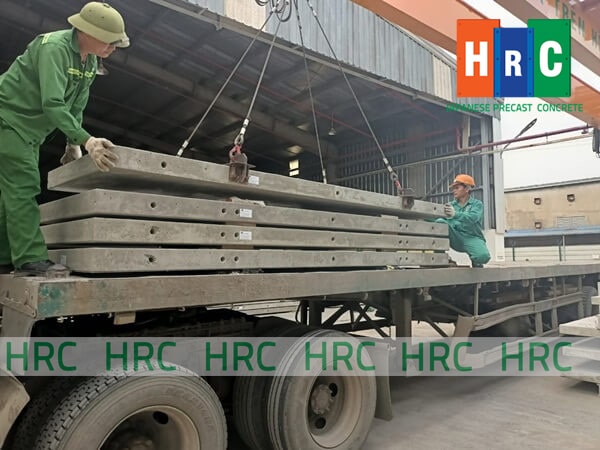
When placing concrete components on the transport vehicle, it is necessary to use the type of elastic attack or lean against specialized cushions, inserts, linings. In case of having to be stacked in several layers, the attacks must be placed overlapping on the vertical plane at the location with the crane hook.
The notes when arranging components into multiple layers on the building are as follows:
-
Make sure to inventory, stack and lift component transfers easily when assembling and avoid damaging the components next door.
-
The stacking height of the component layers needs to comply with the technical conditions and instructions in the design of the construction organization.
-
The width of the passage between the stacks of components is not less than 0.7m and the distance between the adjacent stacks is not less than 0.2m.
Specialized transportation methods for prefabricated concrete components
Usually, transportation of prefabricated reinforced concrete components by self-dumping cars, transport cars, tractors, trailers is mainly. For components less than 6m in length, transport cars will be used for transport and those with heavy structures with a length of more than 6m will have to use heavy transport cars with trailers.
>>> See more information: Precast concrete component installation standards.
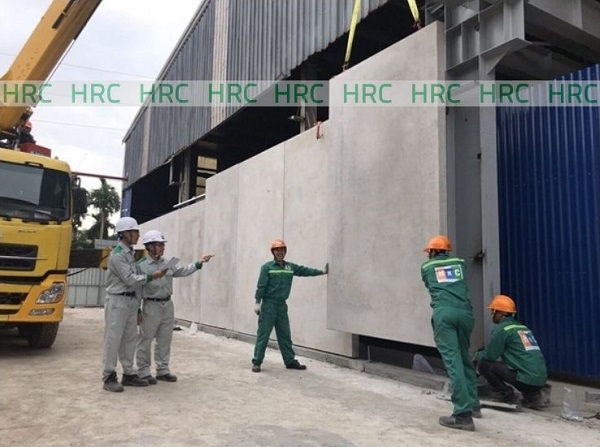
The method of transporting prefabricated concrete components is commonly used by transport cars, tractors, trailers,...
Process of transportation of prefabricated concrete components at HRC Vietnam
The process of transporting precast concrete components is one of the important factors in the construction of construction works. Therefore, each unit supplying concrete components will have a certain transportation process. In general, the process of transporting prefabricated concrete components will consist of the following basic steps:
Step 1: After receiving the request to transport prefabricated concrete components, the products will be carefully measured to come up with the best shipping plan.
Step 2: Precast concrete components will be arranged onto specialized vehicles of the right size and load. After that, the components will be carefully and tightly bound to avoid bumps, cracks, fractures.
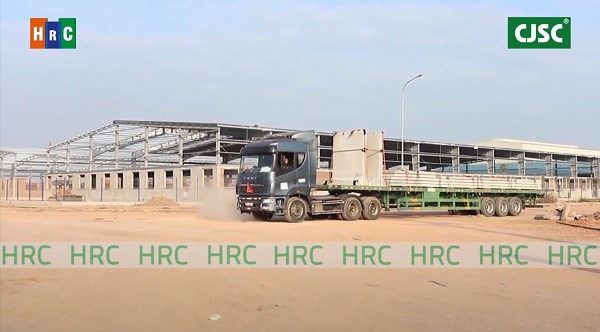
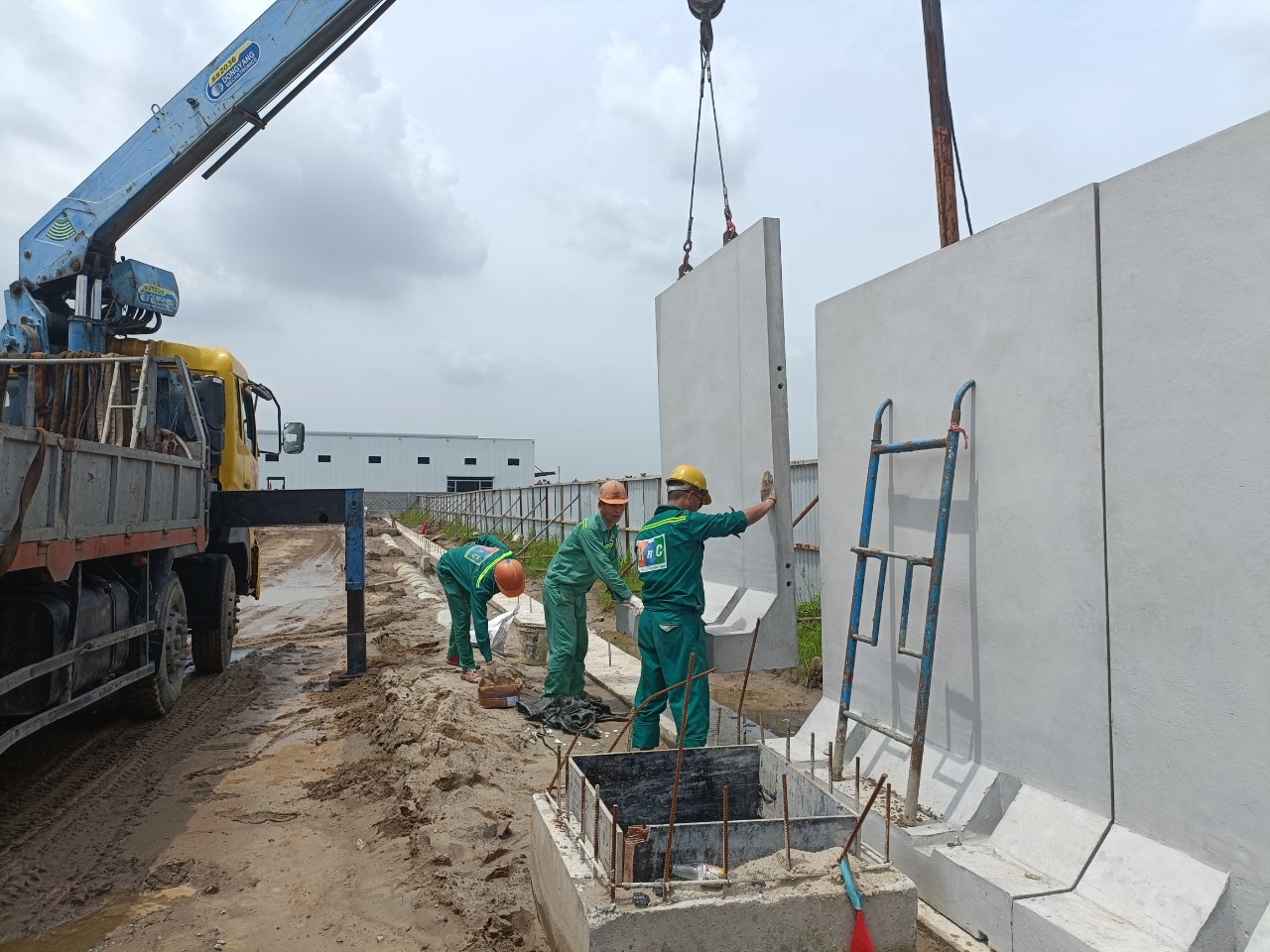
Transportation of reinforced concrete components to the construction site
Step 3: Carefully inspect during the transportation of prefabricated concrete components, after transporting to the construction, the components will be thoroughly inspected again and proceeded to hand over.
With smart, flexible components, it will be easier to transport products to the works, can be used flexibly any type of cargo vehicle.
>>> See more information: Precast concrete manufacturing process.
Why should use prefabricated concrete in construction works?
Currently, the need to build works quickly, efficiently, simply and cost-effectively but still ensuring the quality of works is becoming a trend in construction. So, when using prefabricated concrete components, what benefits will investors and contractors get?
High durability
Precast concrete is known to be a highly durable product and is resistant to the effects of climate change such as earthquakes, tsunamis,... The product has the ability to insulate, extremely good insulation. Moreover, prefabricated concrete slabs when used as panel floors have a tonnage that are a lot lighter than traditional concrete. Therefore, the product will be suitable for places with weak ground.
Quick, clean construction
Construction materials are produced in factories and factories, so when transported to the construction site, just assemble according to a scientific process and as instructed by the supplier will shorten more time instead of pouring the floor, Pour the concrete ceiling as the traditional way. As a result, the debris created at the building will be less, from which the construction works are more clean, quiet and safety.
Construction cost savings
Using precast concrete will help investors and contractors save a lot of costs such as labor costs, material costs, investment costs for the foundation,...
With the aim of bringing investors and contractors the process of transporting the most quality prefabricated concrete components, HRC Vietnam will constantly improve and improve the process to meet the satisfaction of investors and contractors.
Tin tức liên quan
Quick factory construction steps...
Fast factory construction is the need of many businesses because of its simplicity and cost savings.

SALE MARKETING PREPARATED-CRENCY...
SALE MARKETING PREPARATED-CRENCY MATERIAL
Quick factory construction steps...
Fast factory construction is the need of many businesses because of its simplicity and cost savings.
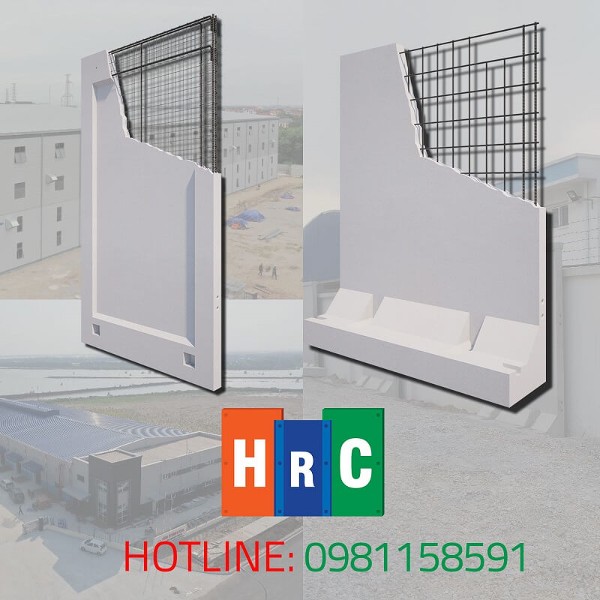
What is precast concrete panels ?...
Precast concrete panels are a very common material used in construction, making construction faster and more time-saving.
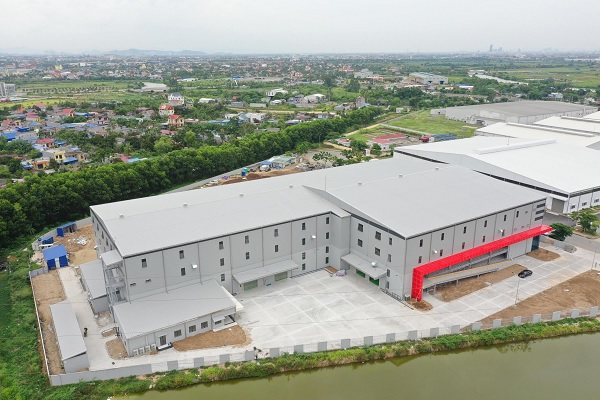
Installation process, standards...
Do you want to build quickly, save labor but still ensure sustainable quality? Installing precast concrete structures is the solution!
.jpg)